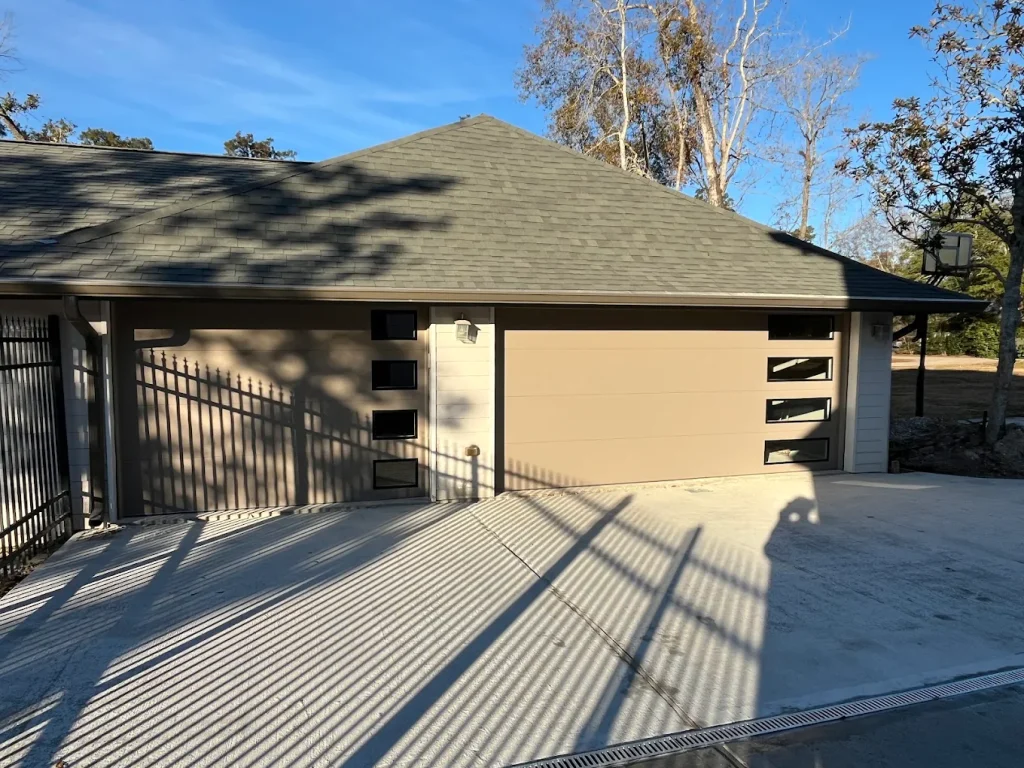
Your garage door closes in the morning, but by late afternoon it stops or goes back up. If it works again once the driveway falls into shade, direct sun may be getting in the way of the garage door safety sensors. These sensors sit low on both sides of the opening. Bright light can make it hard for one sensor to pick up the signal from the other. Before you call a garage door company in New Orleans, take note of when the door acts up and whether the sun is shining on either sensor.
How Sunlight Can Interrupt the Safety Beam
The two sensors, often called photo eyes, face each other across the garage opening. One sends an invisible beam and the other picks it up. When something breaks the beam, the opener keeps the door from closing or sends it back up if it’s already moving down. Direct sun on the sensor that receives the beam can make that beam harder to detect. The garage door opener can respond as if something is in the way. You might still be able to open the door as usual, since the problem shows up when the opener checks that it’s clear to close.
Why You May Notice It More in the Fall
In fall, the sun takes a lower path across the sky than it does in summer. That change can send direct sunlight into a spot near the floor that stayed in shade a few weeks earlier. A garage that faces west may get bright sun near the door late in the day. The angle of the driveway, nearby trees, and the garage trim can all change where that light lands. If your door acts up during the same short stretch each day, look to see whether the sun reaches the receiving sensor at that time.
Look for a Pattern Before You Blame the Sun
Check the sensor lights when the problem happens and again when the opening is in shade. A light may flicker or go out, or the light on the opener may flash. Check your manual for what the lights mean on your model. A door that closes once the sun moves is a clue, but a loose sensor or a bad wire can give you similar trouble. Write down the time of day, what the lights did, and whether the door moved at all. Those details can help during a garage door safety inspection.
Clear the Opening and Check the Lenses
When the door is still, look from the side for a trash bin, broom, or pile of leaves that could block the safety beam. Move loose items away from the opening. If dust or a cobweb is on a lens, gently wipe the lens with a soft, dry cloth. Keep the sensors connected and in place. Make sure the opening is clear before you try the door again. These quick checks are part of garage door maintenance. Watch the door from a safe spot and stay clear of its path as it moves.
Pay Attention If the Door Acts Up in the Shade Too
If the door also fails on cloudy days or after dark, tell your technician. The sensors may have shifted, or a wire may have come loose. A door that hangs at an angle, scrapes, or moves in jerks may have another problem. If you see any of those signs, stop using it and ask for garage door repair. A technician can check the door tracks and other moving parts as well as the opener. That can help pinpoint what’s stopping the door before anyone orders a new part.
Ask About a Fix That Keeps the Sensors Working
If glare is the cause, a technician can check whether the maker offers a sensor sun shield that fits your model. The shield blocks glare while leaving a clear path for the beam. On some models, a technician may be able to move the receiving sensor to a spot that gets less sun while keeping it lined up with the other sensor. After the work, they can test that the door closes with the path clear and that the sensors still respond when the beam is blocked. Ask about garage door opener repair if the problem keeps coming back.
Get Help With a Garage Door That Won’t Close
If your door keeps getting stuck on sunny afternoons, tell ACE Garage Door when it happens. Have the opener’s model number handy if you can read it safely. Call (504) 370-9766 in the New Orleans metro area or schedule a garage door service visit so we can check the sensors and find out what’s keeping the door open.