Garage Door Material Guide
This garage door material guide will help you choose a door that looks good, works well, and holds up in local weather. A garage door is a major part of your home, and its material affects its strength, cost, care needs, and life span. Choosing the right one can save you from repairs and extra work later.
Choose a Garage Door Material for Your Home and Climate
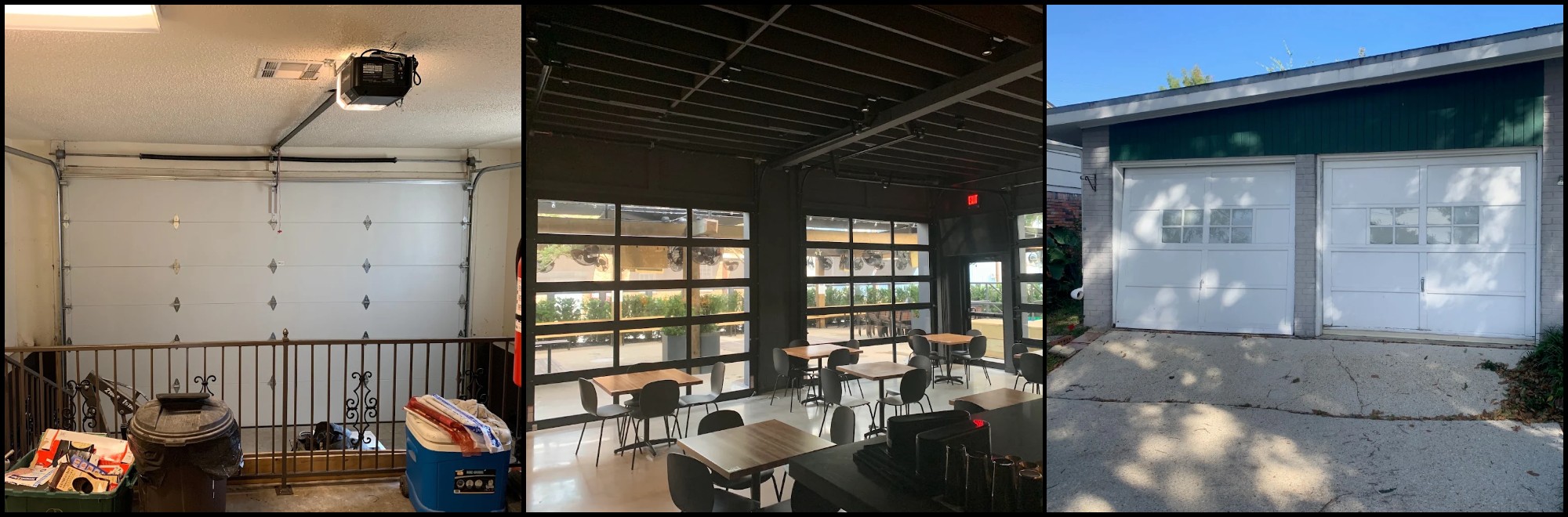
The best garage door material depends on where you live and what you need from the door. Louisiana and coastal Mississippi homes face heat, humidity, heavy rain, salt air, and strong winds. Your door should be made to handle these conditions.
You should also think about how much care you want to give the door. Some materials only need simple cleaning, while others need sealing or painting. Your budget, home style, and need for insulation will also guide your garage door choice.
Steel Garage Doors Offer Strength and Many Style Options
Steel garage doors are a popular choice because they are strong, easy to care for, and available in many designs. They can have raised panels, carriage-house details, smooth surfaces, or wood-grain patterns. This makes steel suitable for both traditional and modern homes.
Steel does not swell or warp like real wood can in humid weather. A coated steel surface also stands up well to rain and daily use. The door should still be checked for scratches because exposed metal may develop rust over time.
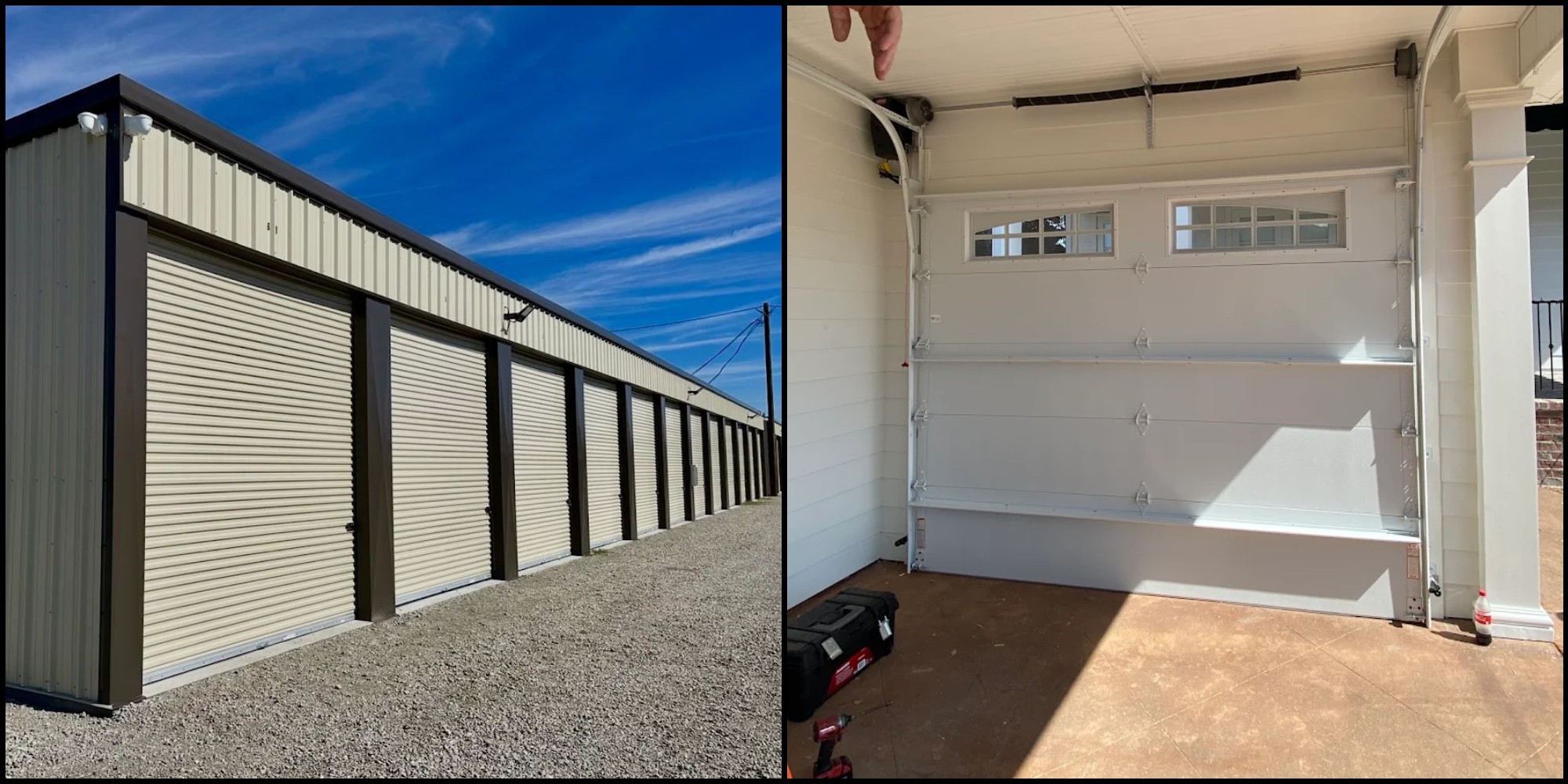
The thickness of the steel can affect strength and price. Some doors use one layer of steel, while others include insulation and another layer inside. A thicker, well-built steel garage door may cost more at first but can provide better strength and comfort.
Wood Garage Doors Bring Natural Beauty
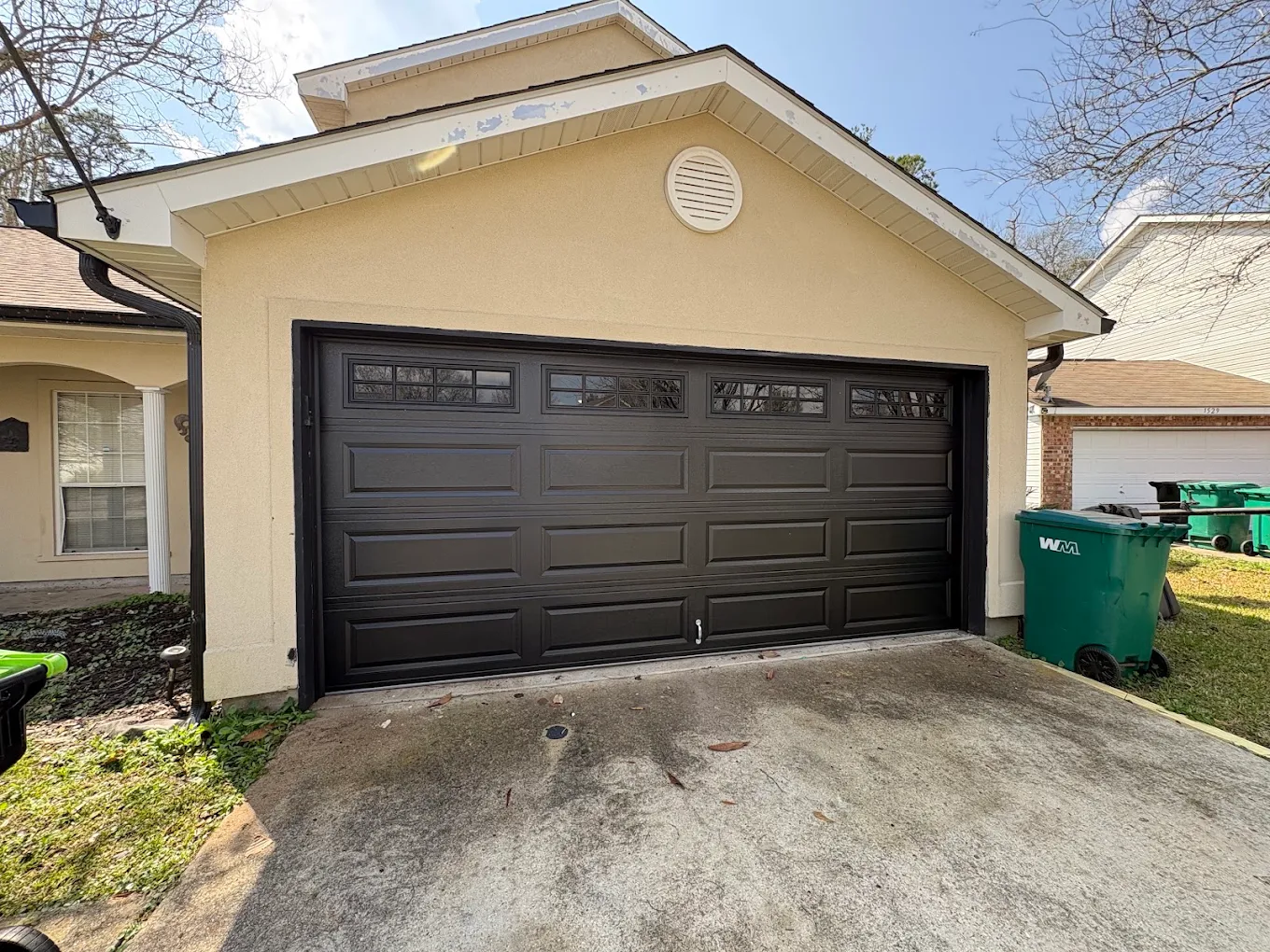
Wood garage doors have a warm look that is hard to copy. Each piece of wood has its own grain, color, and texture. Wood works well with historic homes, Craftsman homes, cottages, and properties with other natural details.
Real wood needs more care in the Gulf South climate. Moisture can cause it to swell, crack, warp, or rot if it is not protected. A wood garage door may need regular sealing, staining, or painting to keep water out.
Wood doors can also be heavier than many other options. The springs, tracks, and opener must be made to support the added weight. Professional installation helps the garage door system move safely and smoothly.
Composite Garage Doors Create a Wood Look With Less Care
Composite garage doors are made from a mix of materials designed to copy the look of wood. They may have realistic grain patterns and carriage-house details without requiring the same level of upkeep as natural wood.
Composite resists moisture, insects, and rot better than real wood. This can make it a useful choice for homeowners who want a warm design but do not want frequent sealing or painting. The quality and makeup of composite materials can vary, so ask what each door contains.
These doors may cost more than basic steel models, but the lower care needs can make them a practical long-term choice. ACE Garage Door can help you compare composite and steel doors based on appearance, price, and maintenance.
Aluminum Garage Doors Work Well With Modern Homes
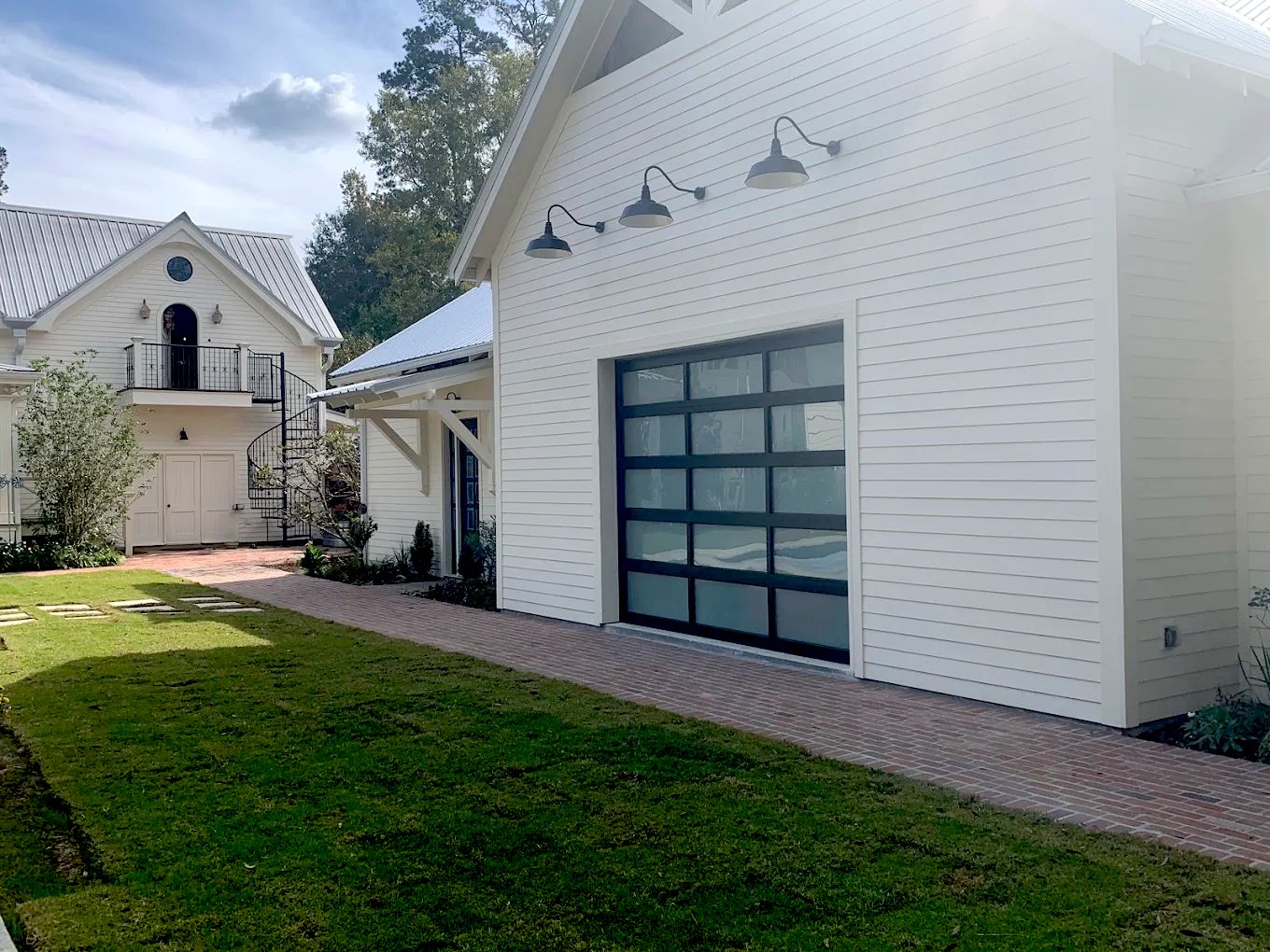
Aluminum garage doors have a clean look and do not rust like steel. They are often used in modern designs with wide glass panels, narrow frames, and simple lines. Aluminum is also lighter than steel, which can place less strain on some door parts.
This material can be a good fit near the coast because it handles moisture and salt air well. However, aluminum is softer than steel and may dent more easily if it is hit. The frame thickness and door design affect the strength of an aluminum garage door.
Full-view aluminum doors let more natural light into the garage. Homeowners can choose clear, frosted, tinted, or dark glass based on privacy and style. A full-view garage door works well for modern homes, outdoor living areas, and garages used as workspaces.
Fiberglass Garage Doors Resist Moisture
Fiberglass garage doors can have a smooth surface or a wood-grain finish. They resist moisture, insects, and salt air, making them useful in humid and coastal areas. Fiberglass also does not rot like real wood.
The outer layer may fade or become brittle after years of strong sun, depending on its quality. Fiberglass can also crack after a hard impact. Ask about the finish, warranty, and care needs before selecting a fiberglass door.
Fiberglass is often placed over a steel frame for added support. This design can give homeowners the look of wood with less work. It may be a good option when low maintenance and moisture resistance are priorities.
Insulated Garage Door Materials Improve Comfort
The door material is only one part of the choice. Garage door insulation can help limit heat, outside noise, and air movement. This can be helpful when the garage is attached to the home or used as a gym, workshop, or laundry area.
Insulated steel doors are common because the insulation sits between strong outer layers. Some aluminum, fiberglass, composite, and vinyl doors can also include insulation. Ask about the door’s R-value, which shows how well it slows heat movement.
A higher R-value may help the garage stay more comfortable during hot summers and cooler weather. It can also make the door feel more solid and reduce street noise. ACE Garage Door can explain which insulated doors fit your home and budget.
Wind-Rated Materials Protect Homes During Strong Storms
A strong material does not always mean the whole door is approved for high winds. Wind-rated garage doors use tested panels, tracks, hinges, braces, and hardware that work together during severe weather.
Homes in hurricane-prone areas may need doors that meet local wind-load rules. The required rating can depend on the home’s location, size, and distance from the coast. ACE Garage Door can help identify the right wind-load requirements for your property.
Many wind-rated doors are available in steel and other materials, so homeowners do not have to give up the design they want. Ask whether the full door system has been tested and approved, not only the outer garage door panels.