If you can see daylight around your closed garage door, something may need attention. Gaps can let in rain, dust, bugs, and hot air. The cause often depends on where the opening is. Worn trim may leave space along the sides, while a damaged bottom seal or an opener setting may leave a gap at the floor. In the video, ACE Garage Door explains these common causes and when garage door repair can help close those gaps.
Worn Trim Can Leave Gaps Along the Sides and Top
The trim around your door frame helps block the space between the door and the opening. Its flexible edge should rest against the door when it closes. Over time, garage door weatherstripping can crack, bend, or pull away. The trim molding that holds it may also become loose or damaged. If you notice light along the top or sides, look for missing pieces and edges that no longer touch the door. Replacing worn trim may solve the problem without replacing the whole door.
A Damaged Bottom Seal Can Let Water and Bugs Inside
Your garage door bottom seal is the flexible strip attached to the lowest section. It presses against the floor when the door closes. With age and daily use, that strip can tear, flatten, or become stiff. You may see a small gap even though the door reaches the ground. Check for splits, missing sections, or a seal that has slipped out of its holder. A garage door repair technician can check the seal and fit a replacement that matches your door’s channel and size.
An Uneven Floor Can Keep the Door From Sealing
Sometimes the door closes correctly, but the concrete beneath it is not level. An uneven garage floor may leave one corner touching the ground while the other has a gap. Cracks and low spots can also leave room for water or insects. A suitable bottom seal may help with small changes in floor height. In some cases, a garage door threshold seal, which attaches to the floor, may help. Larger floor problems need a closer look before choosing a seal or changing the opener settings.
The Opener May Stop the Door Too Soon
Your opener has settings that control how far the door moves up and down. These are called travel limits. If the closing limit is set too short, the door may stop before its bottom seal reaches the floor. You might notice a gap across much of the opening, even when the seal looks fine. However, a gap alone does not prove the limit is wrong. Our garage door opener repair service can help find out whether the cause is a setting, worn part, or movement problem.
Why Resetting the Opener Takes Care
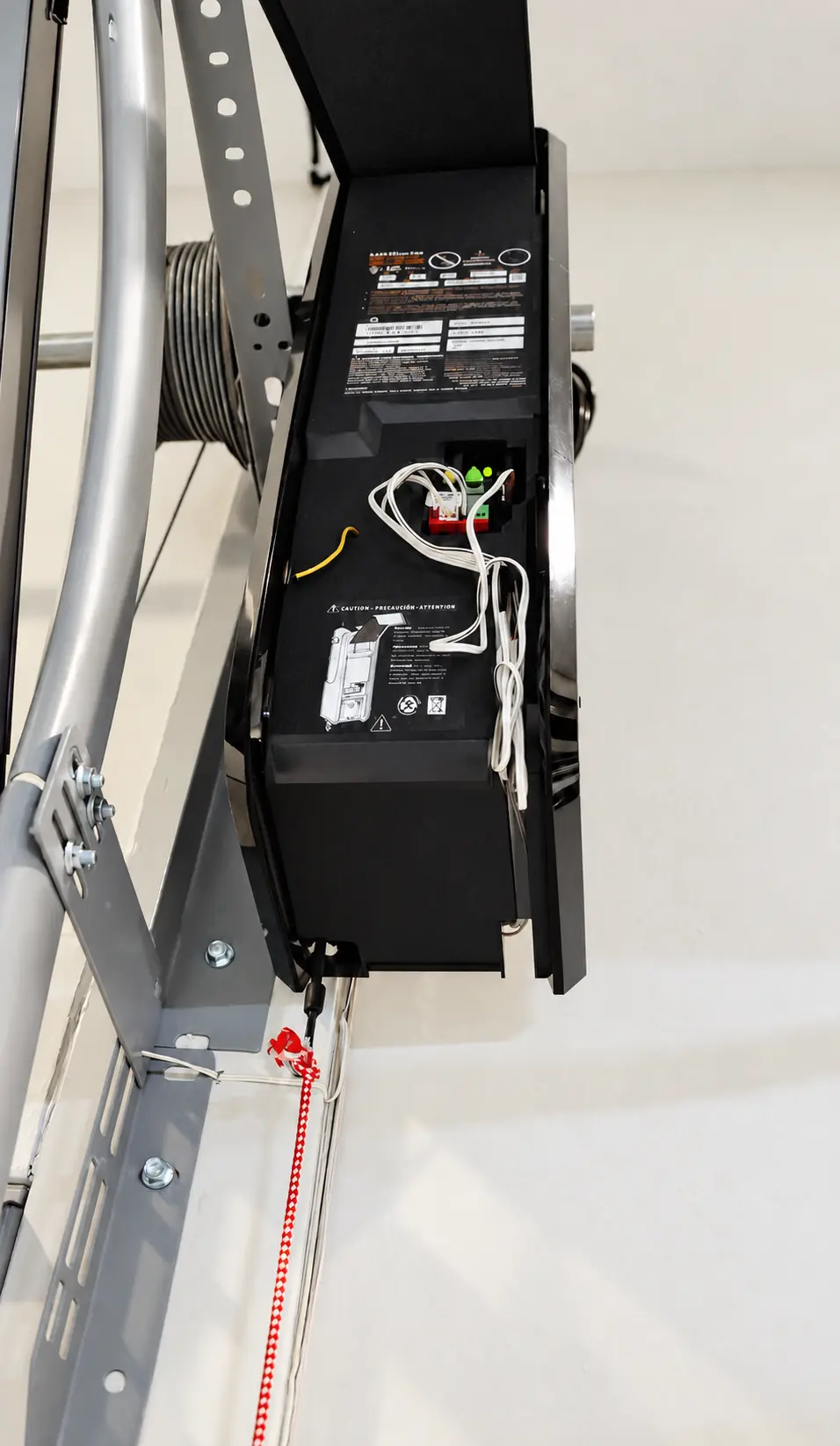
The video shows an opener with arrow buttons and a center button used to set its stopping points. Other models use different controls and steps, so follow the manual for your exact unit. Changing opener settings without checking the door first can leave the problem unresolved or cause the door to press too hard against the floor. After any travel adjustment, the safety reversal system must be tested as the manufacturer directs. This checks that the door reverses when it meets an object rather than continuing to close.
If the door binds, shakes, or sits crooked, book garage door repair before trying to reset the motor. The opener should guide a door that moves properly; changing its limits cannot fix damaged tracks or worn hardware. Avoid opening the motor housing or pressing buttons based on instructions for a different model. A professional inspection lets a technician check the door’s movement, set the correct stopping points if needed, and test the safety features as part of the same visit.
Simple Checks You Can Make From the Floor
Start by closing the door and looking at the gaps from inside the garage. Note whether they appear at the top, sides, one corner, or across the bottom. Look for worn weatherstripping, and sweep away leaves, dirt, or small stones where the door meets the floor. Keep your hands clear while the door moves. Take photos of any torn seals or visible gaps to share with your technician. These simple checks can help explain the problem when you schedule garage door repair.
Does a Sealing Problem Mean You Need a New Door?
A small gap does not always call for a garage door upgrade. Fresh weatherstripping, a new bottom seal, or a correct opener adjustment may be enough. Replacement becomes more relevant when sections are badly bent, rusted, or damaged and the door also struggles to move. Before choosing garage door replacement, have the full system checked. The best fix should address why the gap formed, rather than simply cover it with a larger strip of rubber.
Get Help Closing the Gaps Around Your Garage Door
If your garage door will not seal, ACE Garage Door can check the trim, bottom seal, tracks, and opener to find the cause. Our team serves homeowners across New Orleans and Southeast Louisiana with repairs and replacement options. Getting the problem checked gives you a clear plan for keeping out drafts, dirt, and pests. Request a garage door service quote to schedule help and get your door closing the way it should.